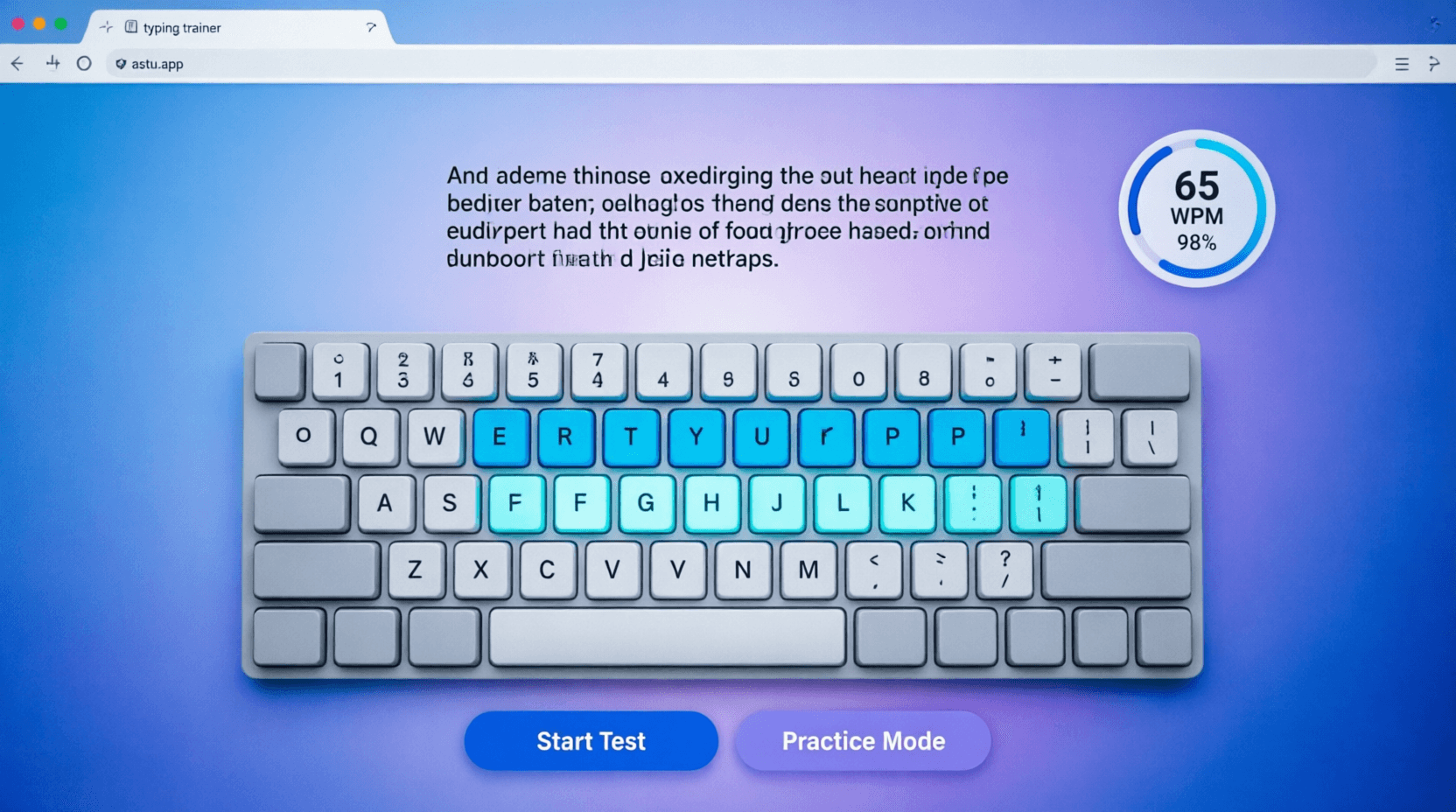
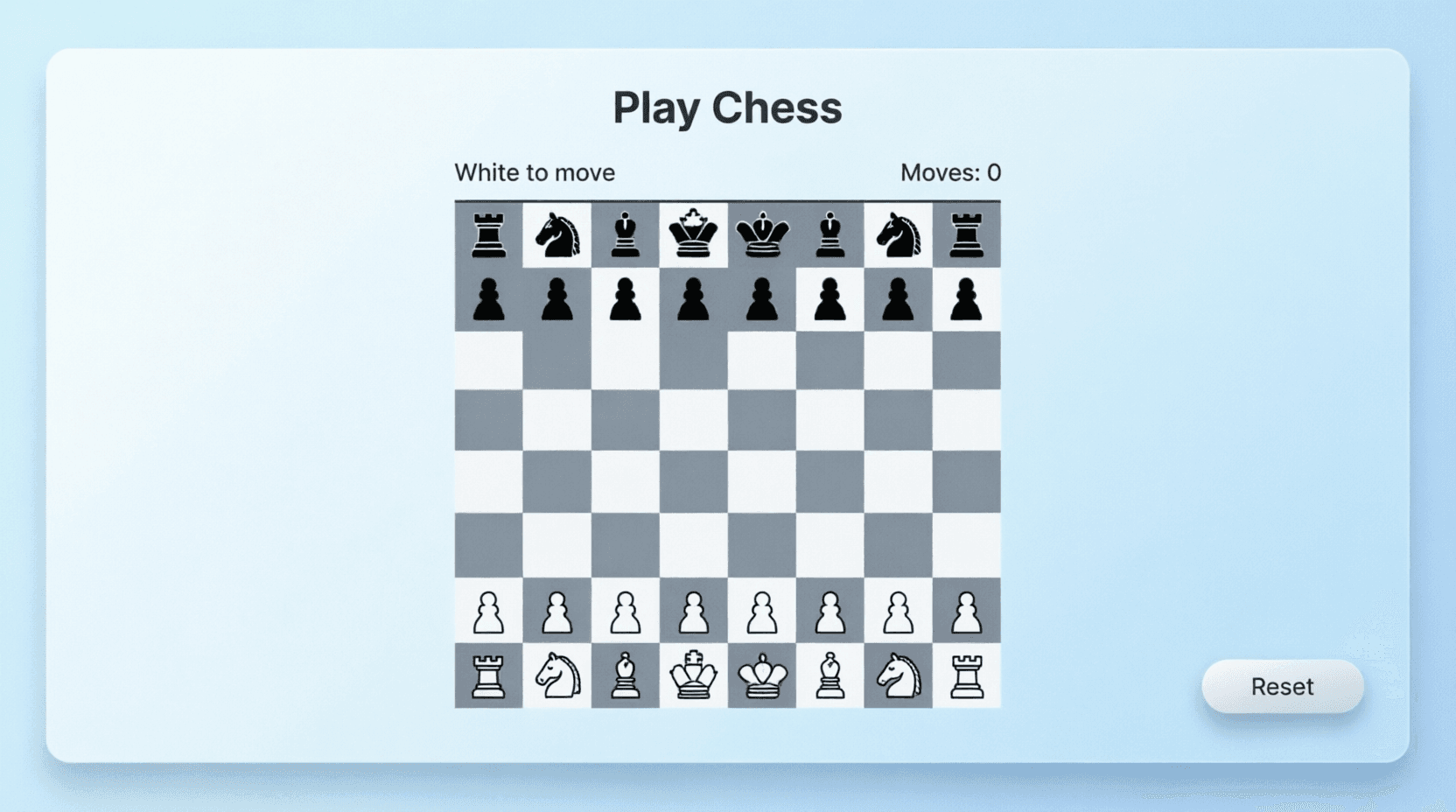
Focused web apps built for real usage.

Apps

Purpose-built app experiences designed to improve speed, consistency, and outcomes.

2 apps
Curated and continuously improved.
Workflow-oriented
Built to remove repetitive friction.
Clear interaction model
Fast onboarding and predictable behavior.

Why these apps matter

Practical first
Designed for recurring daily workflows.
Every app starts from clear usage intent and direct user outcomes.
Feedback-driven
Improved continuously from usage patterns.
Interaction details are refined to reduce confusion and increase speed.
Built for momentum
Fast paths without sacrificing clarity.
Streamlined layouts help users stay focused on the task, not the interface.

What makes an app “focused” on astu.app

A focused app solves one high-frequency job clearly instead of trying to cover every edge case in a single interface. This keeps navigation shallow and allows users to understand the product model quickly, especially when they return after days or weeks.

Product decisions prioritize task completion: clear entry points, minimal setup steps, and predictable controls. The goal is to reduce cognitive load so users can spend attention on their objective rather than on UI interpretation.

Iterations are driven by real usage friction. If a workflow repeatedly causes hesitation, the flow is simplified and copy is clarified. This practical feedback loop helps apps remain useful over time instead of becoming feature-heavy and difficult to maintain.

Evaluation checklist before adopting an app

Verify whether the app matches your repeated workflow, not only your one-time task. Evaluate input clarity, output quality, and whether the interaction model remains understandable when used under time pressure.

Check operational reliability by running realistic scenarios: fast retries, pause/resume behavior, and error recovery. Strong small-app UX is usually visible in these moments, not only in ideal-path demos.

Review privacy and platform notes per app page so your team understands where data is processed and how state is stored. This helps keep adoption aligned with internal requirements and avoids avoidable rework later.