AdSense Readiness Checker
Analyze a domain for HTTPS, content depth, required pages, policy-risk keywords, metadata, and mobile friendliness.
Limitations
This tool estimates AdSense readiness based on publicly known signals. Final approval is determined by Google during manual or automated review.
What “AdSense readiness” actually means
AdSense approval is not based on one tag, one page, or one hidden technical trick. It depends on whether a site looks useful, trustworthy, and policy-aligned to human reviewers and automated quality systems. That includes unique content, clear navigation, complete policy pages, mobile usability, and a business model that does not feel misleading or low-effort.
This checker focuses on signals you can inspect publicly: HTTPS, content depth indicators, metadata quality, required legal pages, and policy-risk patterns. It does not claim to predict approval with certainty. Instead, it helps identify weaknesses that commonly reduce confidence during review.
The most valuable use of this tool is operational. It shortens the gap between “my site looks fine to me” and “here are the specific areas that still need work before I request another review.”
How to interpret low scores
Best workflow before you request review
Start by checking core routes that a reviewer is most likely to visit: homepage, major category hubs, top content pages, and legal/trust pages. Fix missing policies and obvious crawl or metadata issues first because those problems are fast to address and easy to verify.
After the baseline is clean, focus on content quality. Add route-specific explanations, examples, FAQs, and internal links that help users understand the value of each section. This is where many rejections are won or lost because a site needs to feel genuinely useful, not merely functional.
Finally, review the balance between ads and content. Monetization should follow value, not lead it. If a page feels like a thin shell with aggressive placement, remove or reduce monetization until the content is strong enough to justify the page on its own.
Other tools you might want to try
Discover more fast utilities from this collection, plus one sponsored slot.
- Tool2026
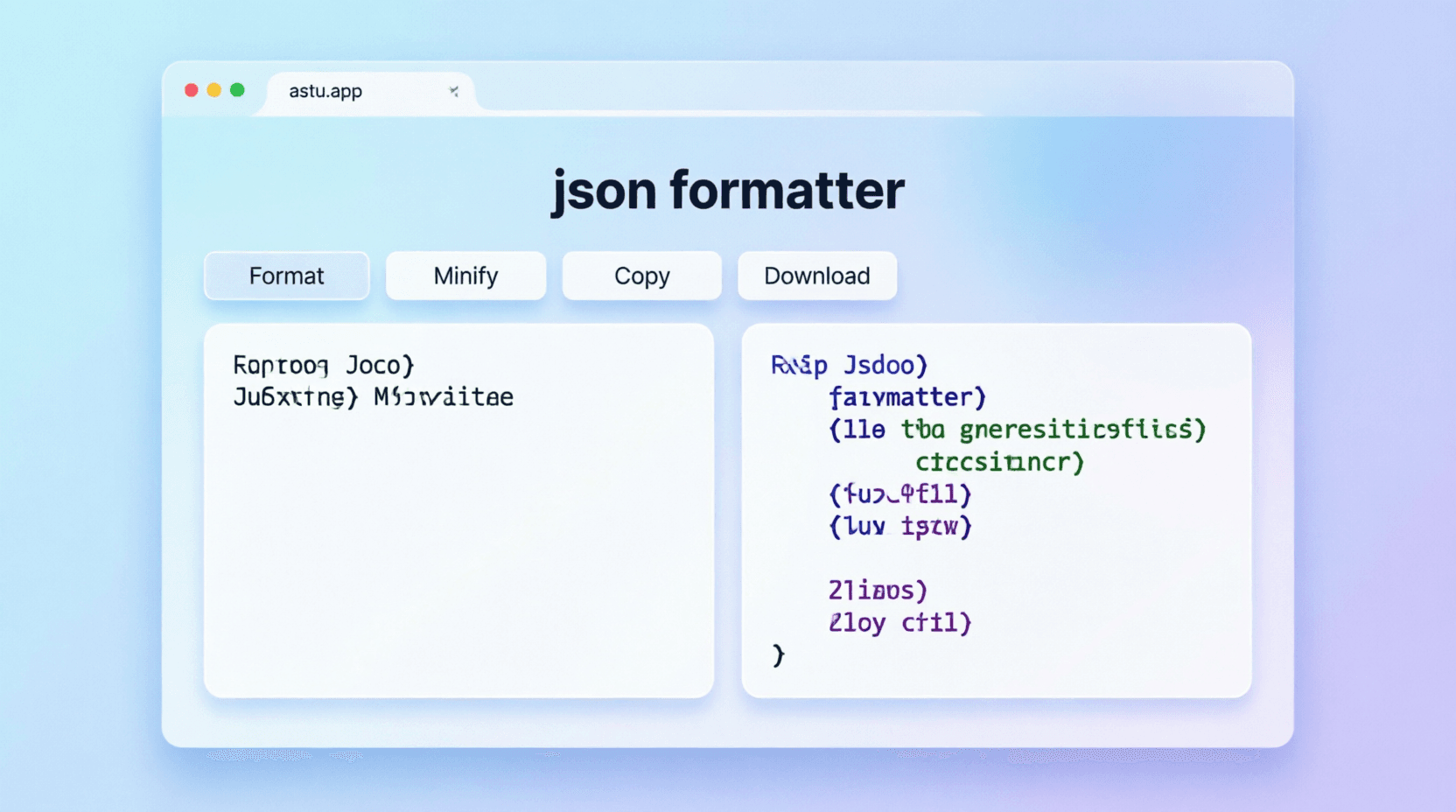
JSON Formatter
Format, validate, copy, and download JSON instantly.
View detailsView - Tool2026
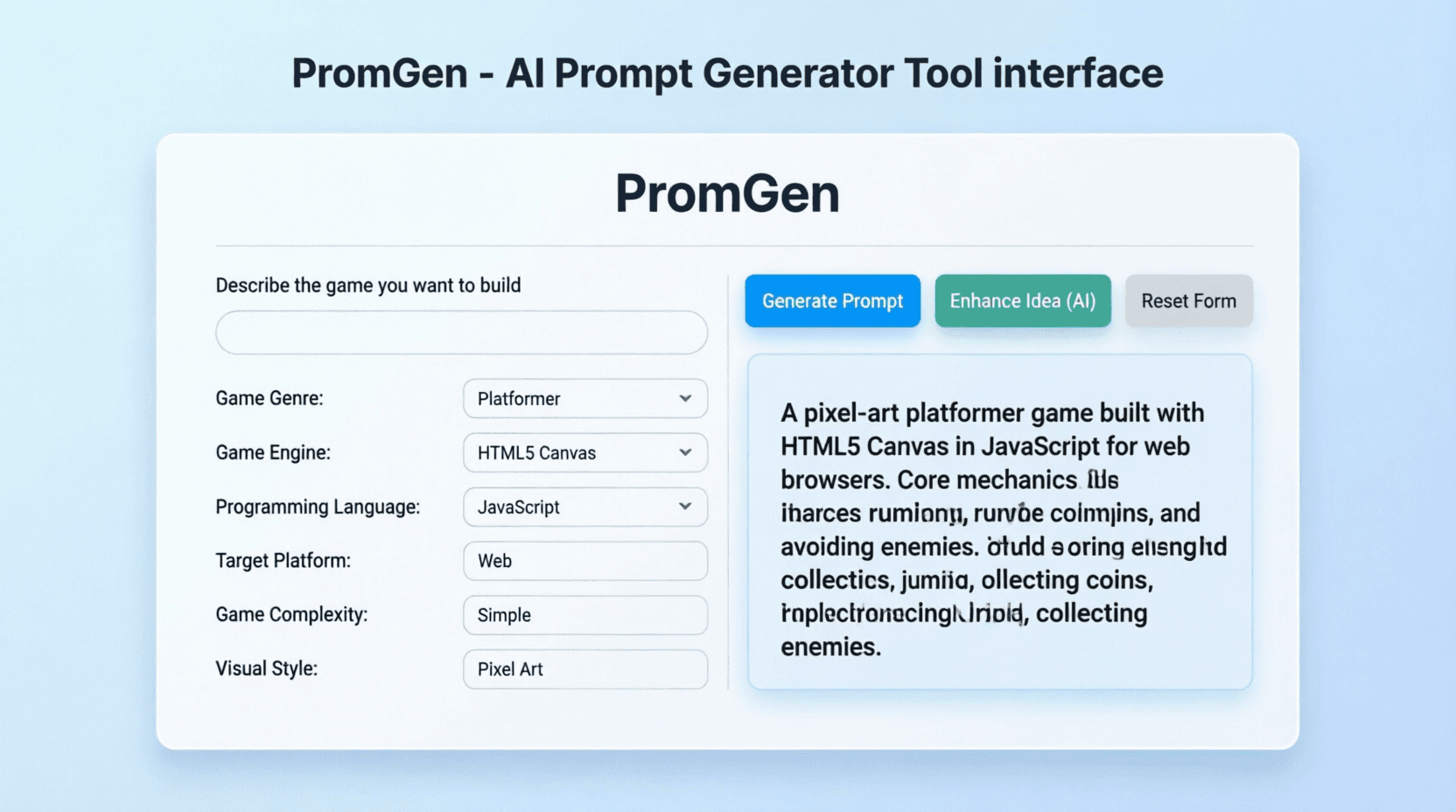
PromGen
Generate structured prompts for AI coding assistants to build games.
View detailsView - Tool2026
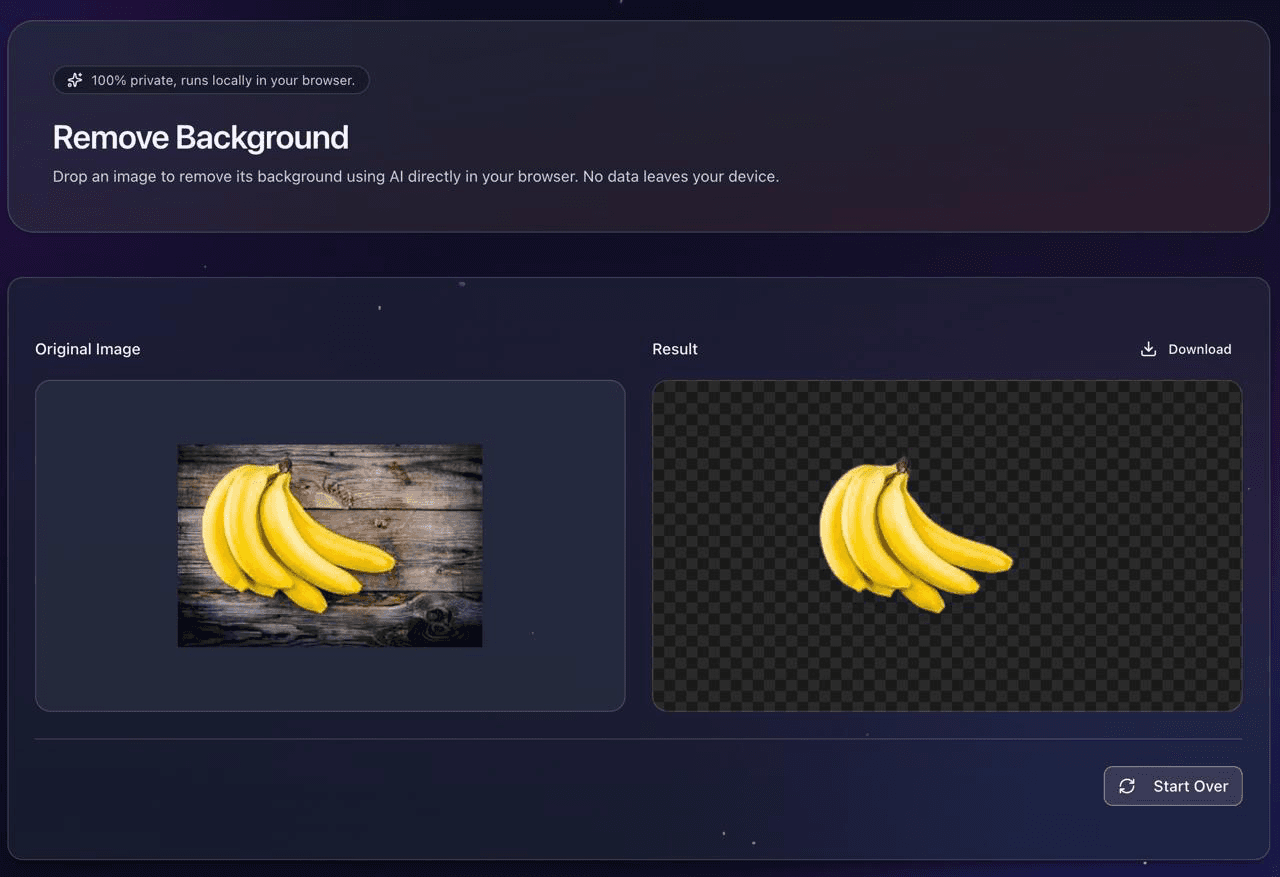
Remove Background
Remove the background from any image instantly in your browser.
View detailsView - SponsoredPromoted placement for tool explorers
- Tool2026
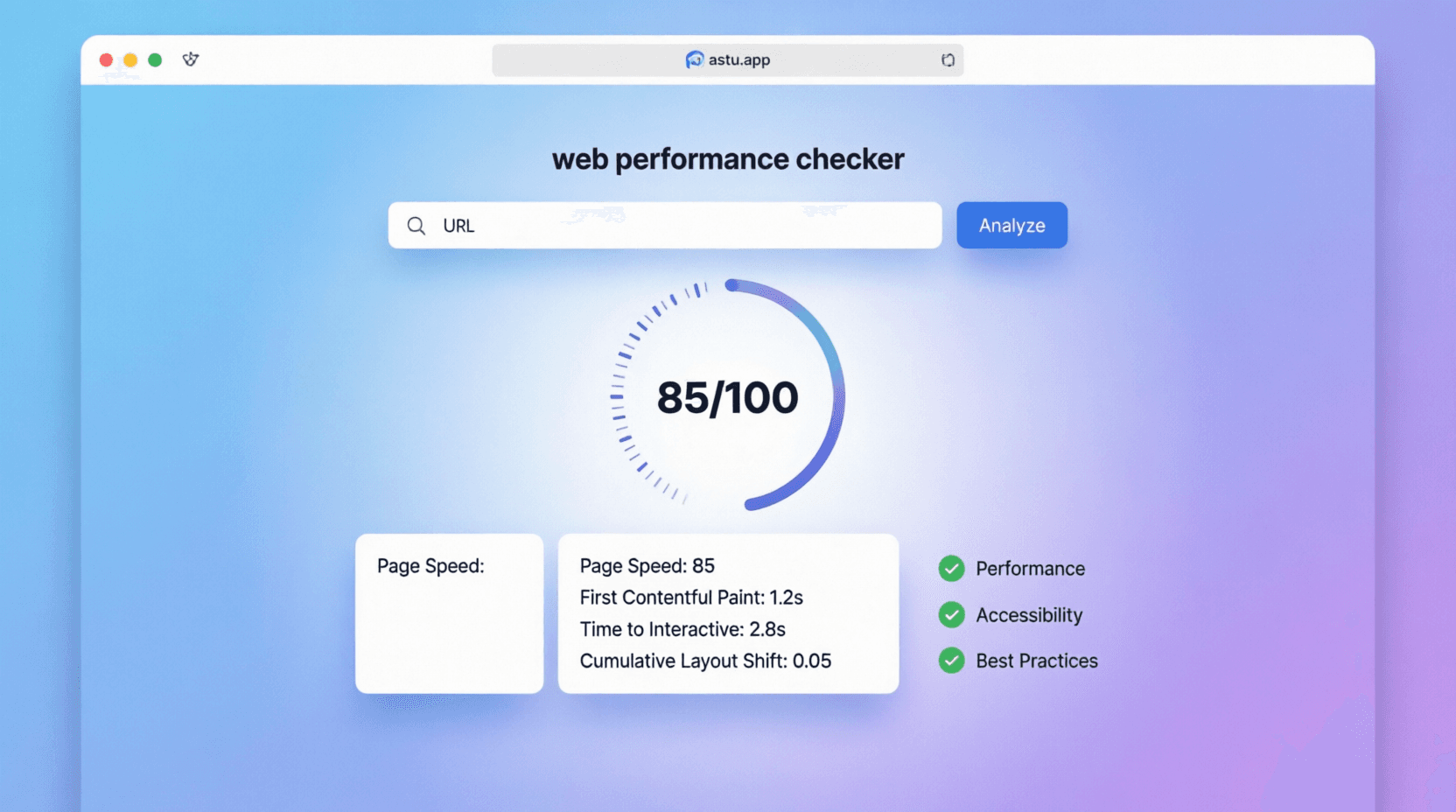
Web Performance Checker
Analyze Core Web Vitals and Lighthouse performance metrics with practical optimization suggestions.
View detailsView - Tool2026
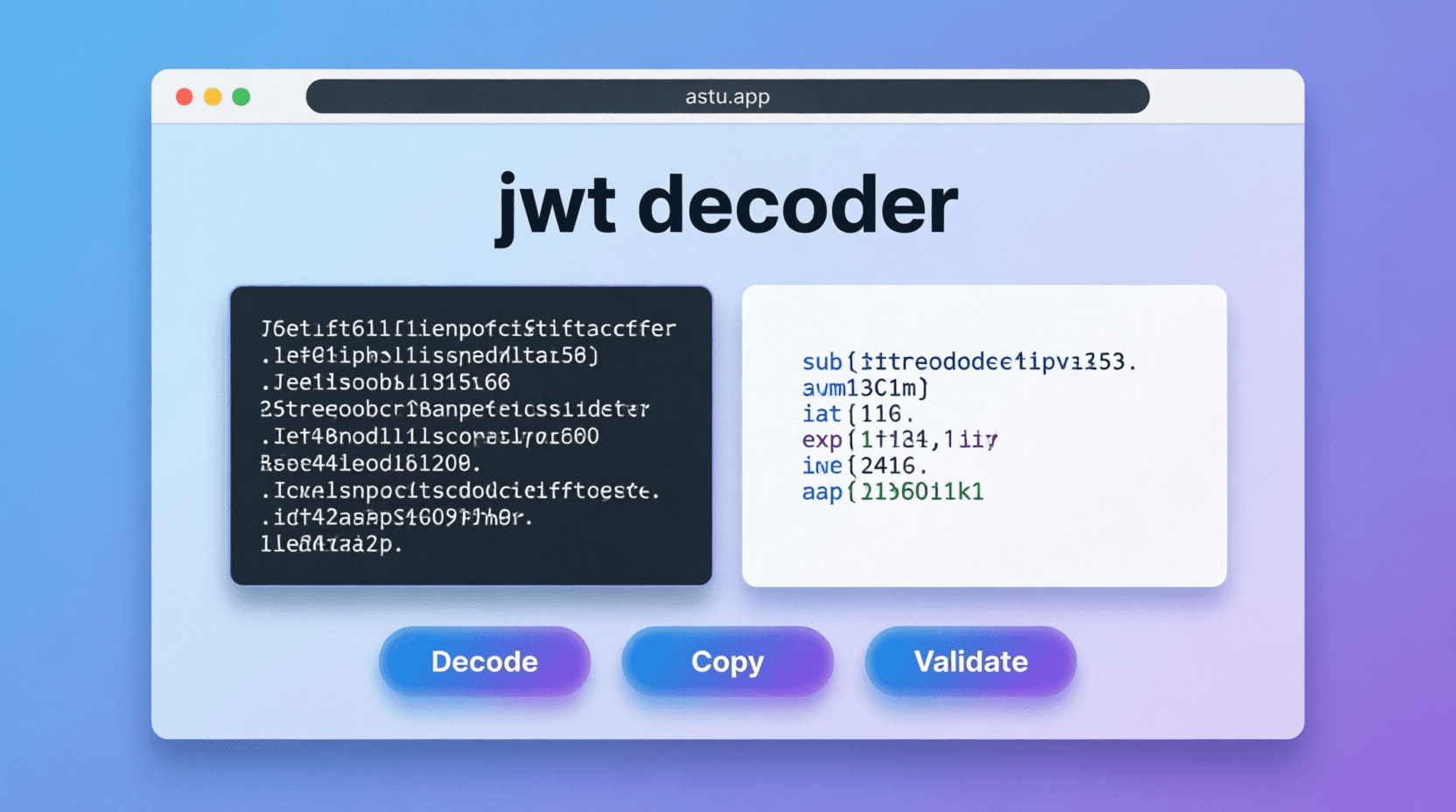
JWT Decoder
Decode JWT header and payload, then track expiration countdown instantly.
View detailsView - Tool2026

Tileset Level Tester
Upload a 2D tileset and instantly preview it as a game level, then download a 1280x960 JPG. Fully in-browser.
View detailsView - Tool2026
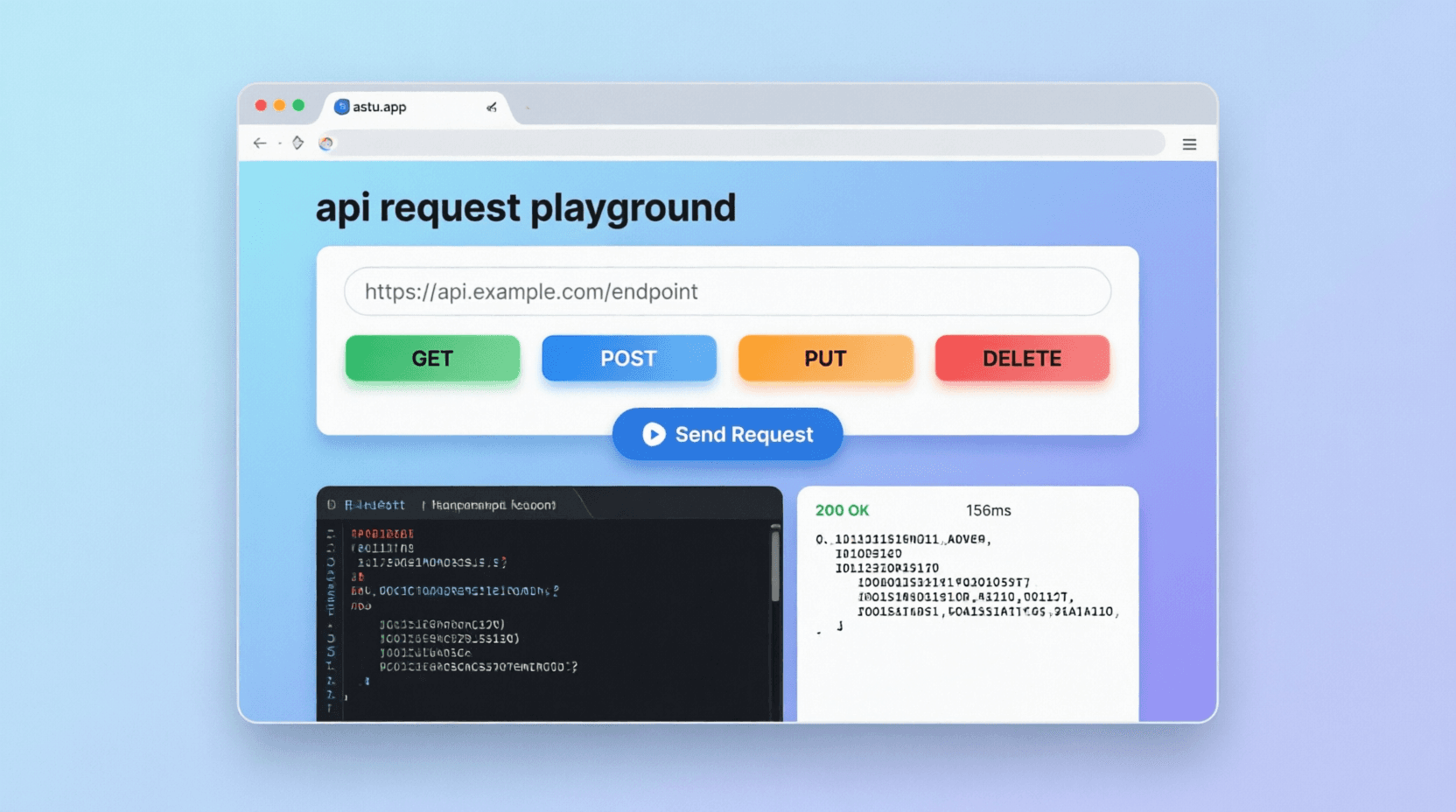
API Request Playground
Build and test HTTP requests with JSON body validation, response tabs, and snippet generation.
View detailsView